
Our Work
Our Work.
Rural development challenges are interconnected. Farm productivity depends on healthy soils and reliable water; household resilience depends on diverse livelihoods; and local markets work better when farmers and community institutions have the skills and systems to participate. READS brings these elements together through four programme pillars and 11 focus areas.
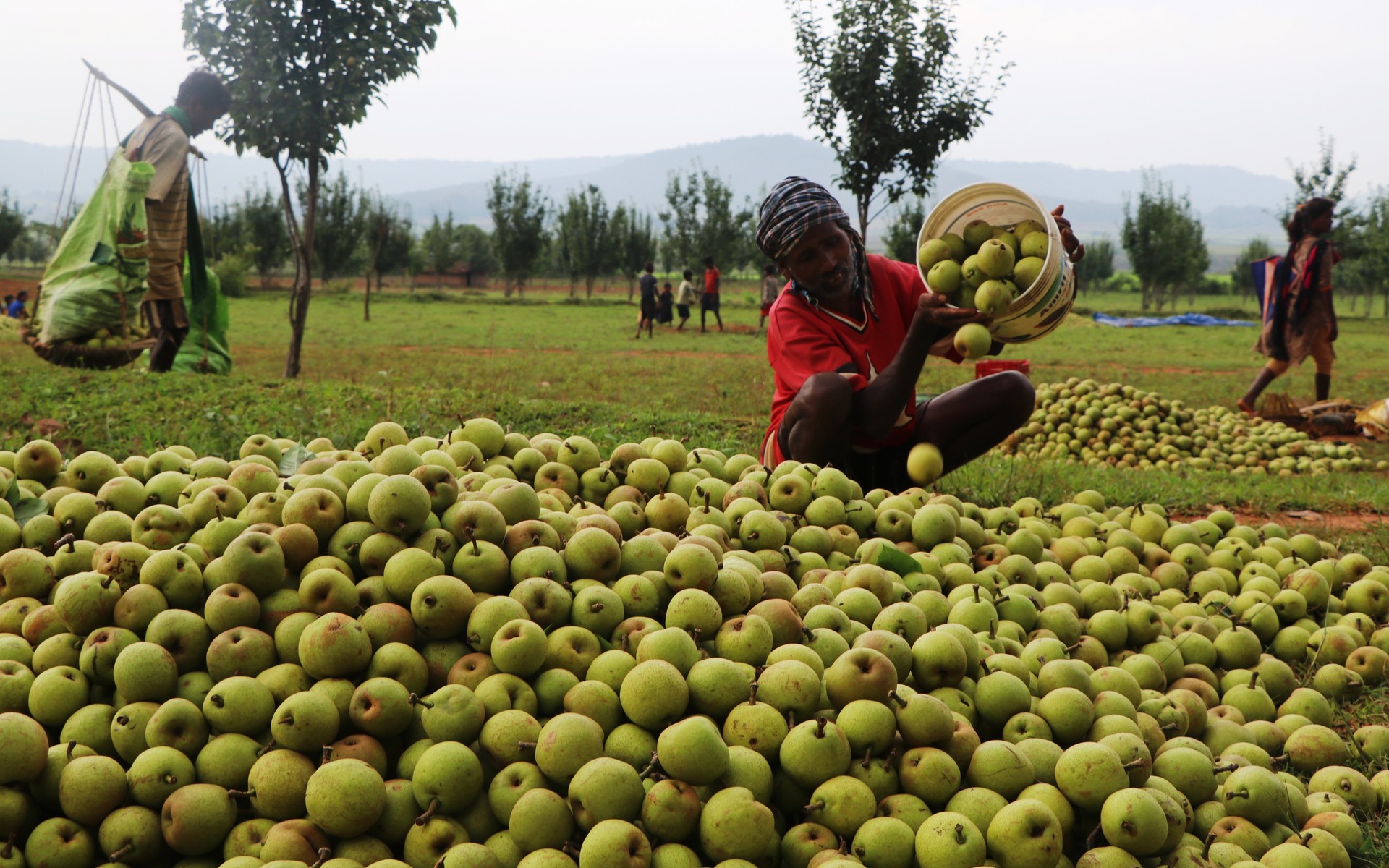
Pillar I
Sustainable Agriculture & Horticulture
Agriculture, Natural Farming and Horticulture.
- 01
Agriculture
Explore - 02
Natural Farming
Explore - 03
Horticulture
Explore
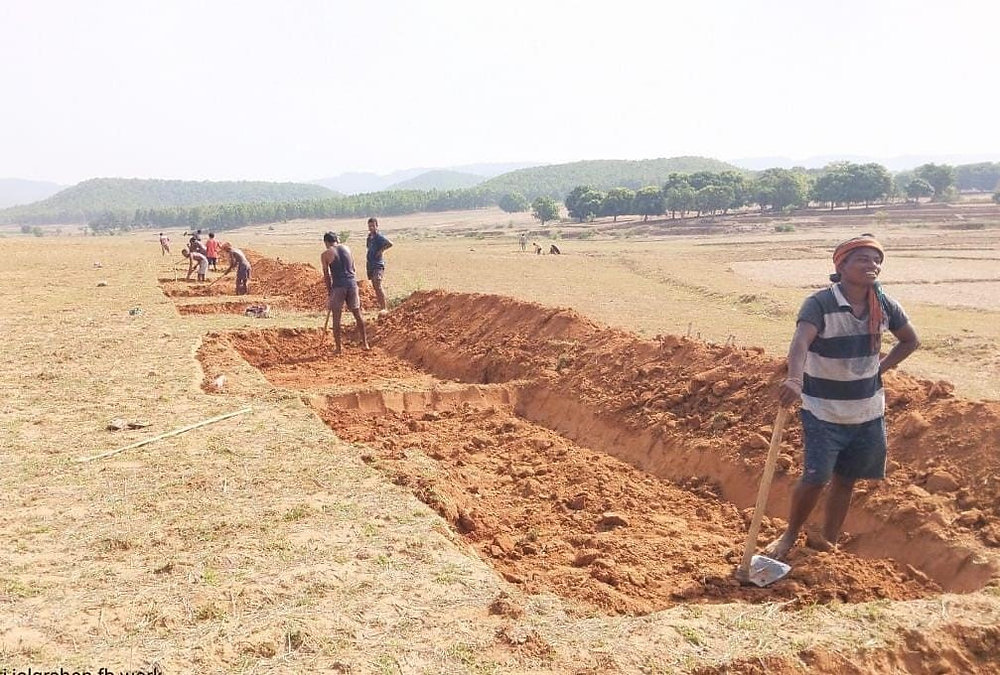
Pillar II
Water, Soil & Climate Resilience
Water & Soil Conservation and Climate Resilience.
- 04
Water & Soil Conservation
Explore - 05
Climate Resilience
Explore
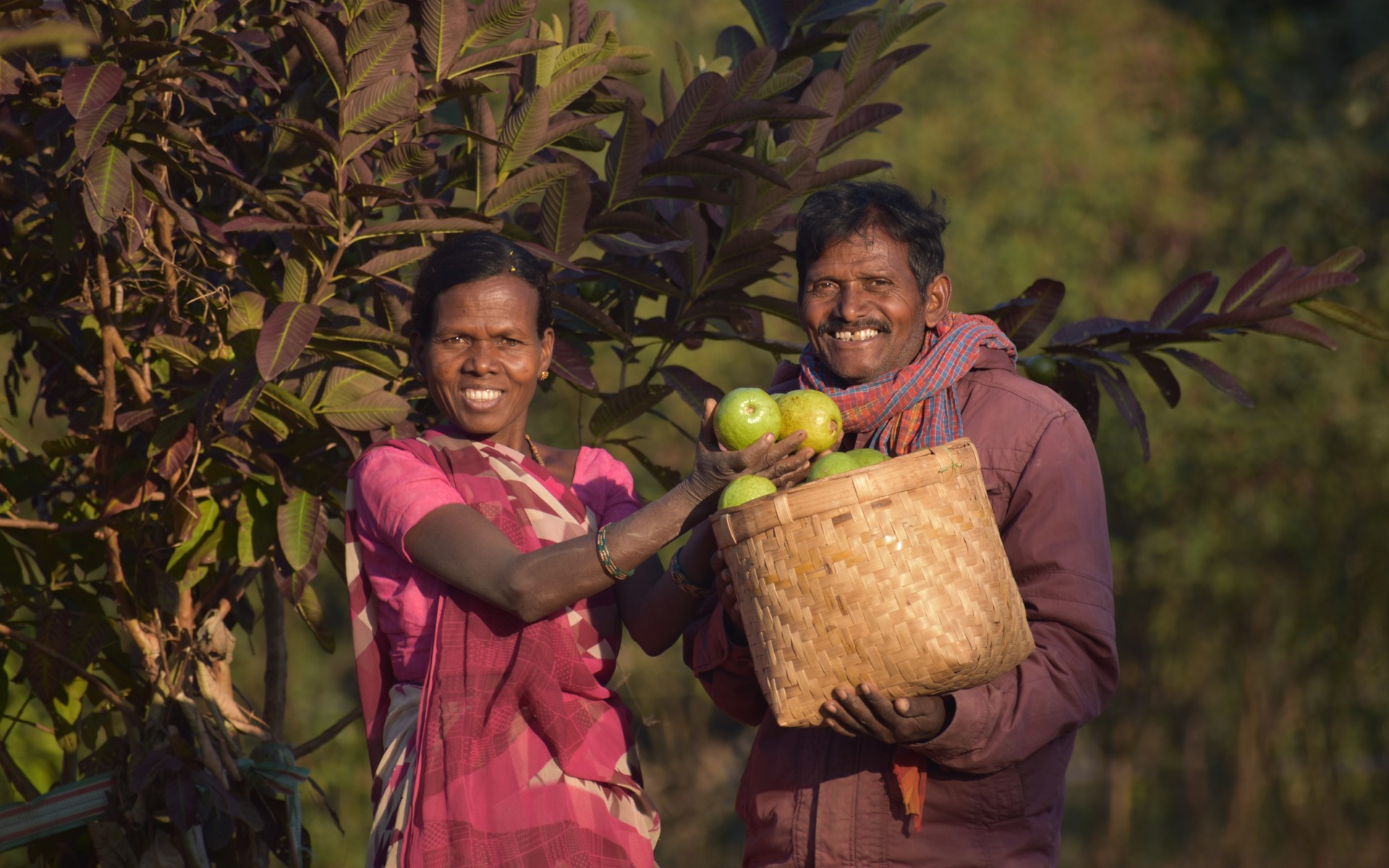
Pillar III
Community Well-being & Livelihoods
Women Empowerment, Livelihood & Livestock and Health & Nutrition.
- 06
Women Empowerment
Explore - 07
Livelihood & Livestock
Explore - 08
Health & Nutrition
Explore
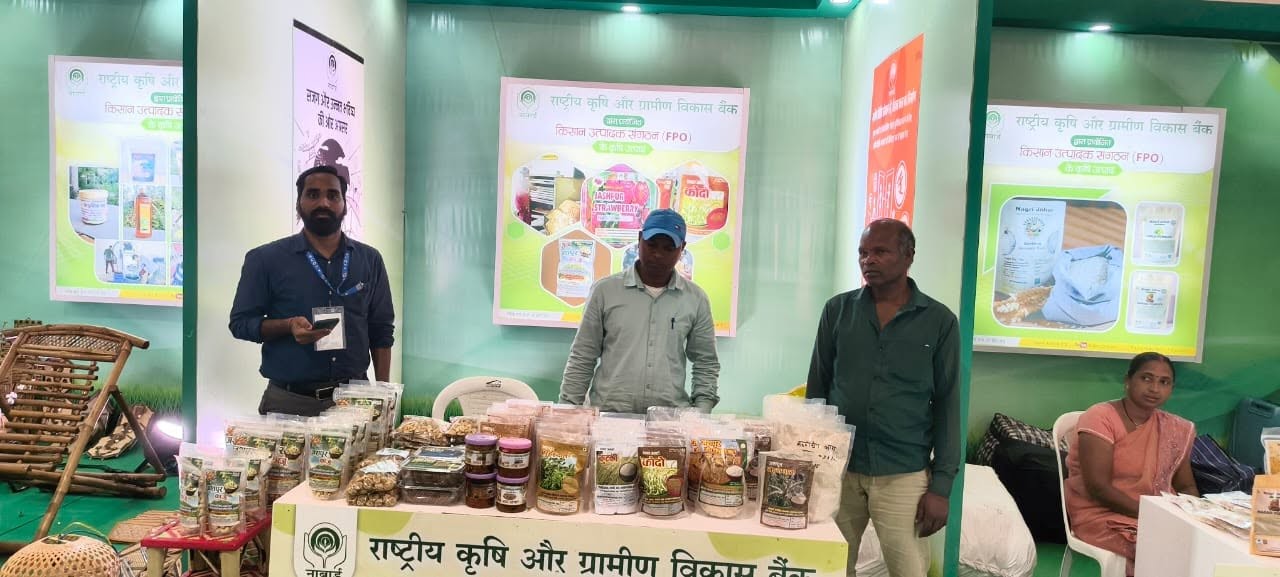
Pillar IV
Markets, Institutions & Rural Development
FPO & Market Linkages, Institution Building and Rural Development & Advocacy.
- 09
FPO & Market Linkages
Explore - 10
Institution Building
Explore - 11
Rural Development & Advocacy
Explore
Key Initiatives
Initiatives Creating Opportunities.
Six READS projects, each shown with the focus area it belongs to.
01Horticulture
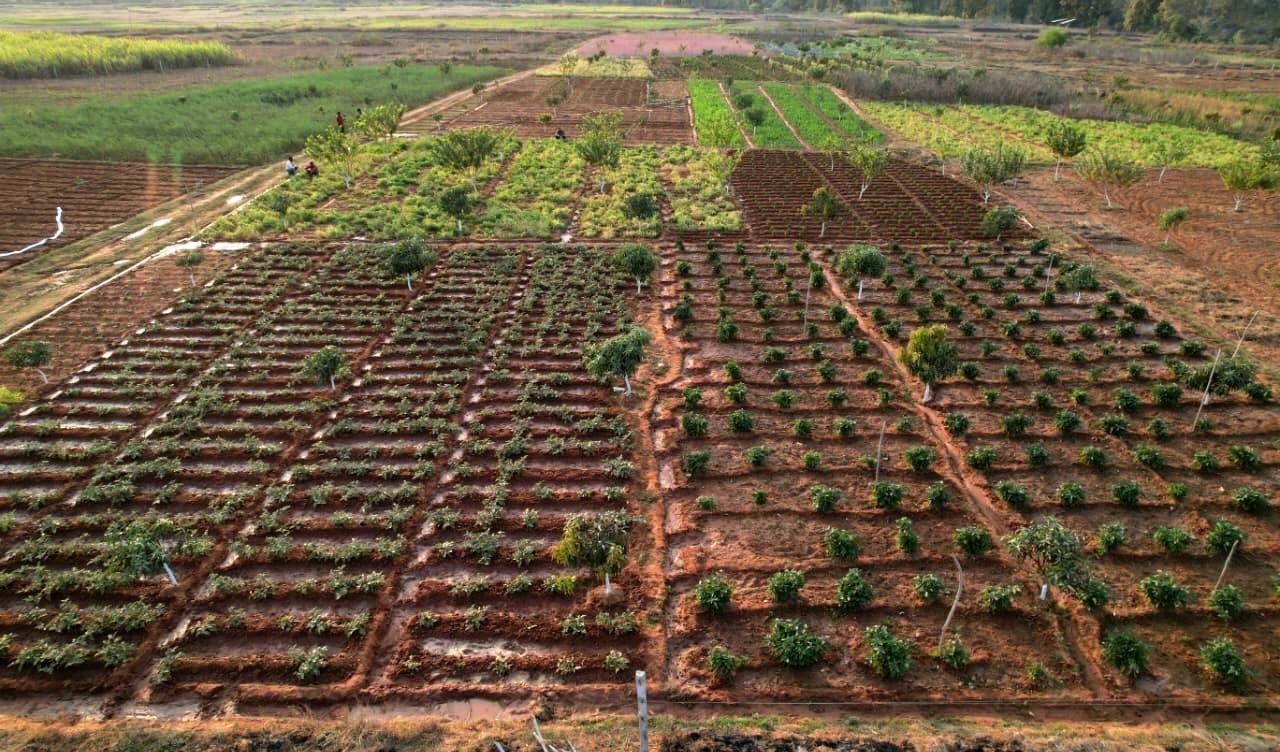
NABARD Tribal Development Fund – Bagicha–Manora / PVTG
Orchard-based farming, livestock development and sustainable livelihood opportunities for tribal households in Bagicha and Manora blocks, including Particularly Vulnerable Tribal Groups. Target: 300 tribal families across 11 villages, including 100 PVTG families, over five years.
02Water & Soil Conservation
Watershed Development – Maina–Laranga–Lodhena, Tora–Parasura & Devsara–Jamhati
Working with communities to conserve soil and water through watershed planning, water-harvesting structures and improved land management, with NABARD support. Public project statistics list Tora–Parasura with 293 families and Devsara–Jamhati with 422 families.
03Natural Farming
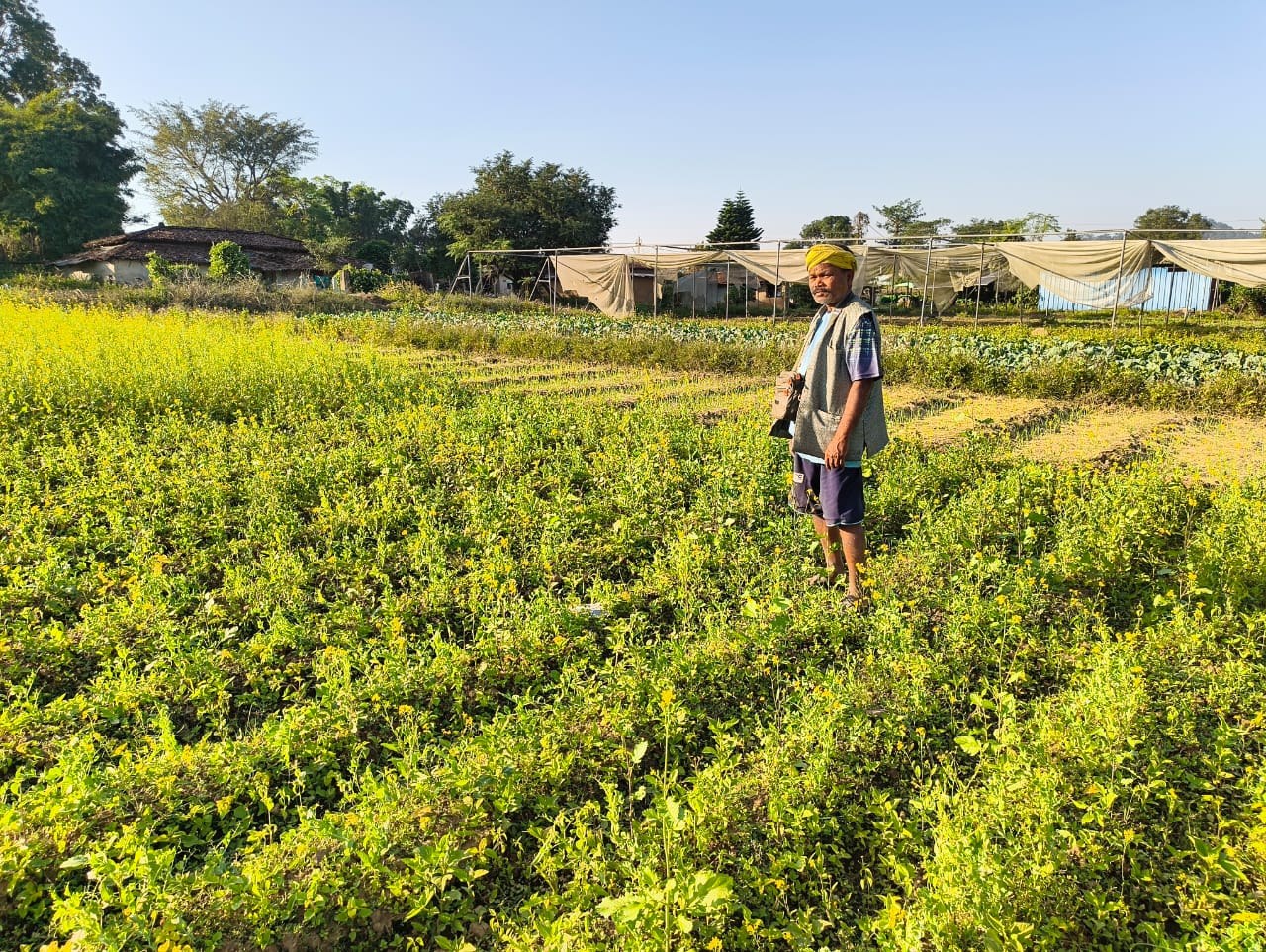
Natural Farming – NABARD JIVA, Shankargarh-II
Promoting locally prepared bio-inputs, indigenous practices and resource-efficient farming among participating farmers in Shankargarh-II block, Balrampur district. Completed on 30 June 2026.
04FPO & Market Linkages
FPOs & Market Linkages
Supporting farmer collectives to aggregate produce, improve enterprise capacity and connect members with markets — including Harit Kranti (Bagicha), Hariyali (Farsabahar), Harit Jashpur and Harit Pratappur.
05Livelihood & Livestock
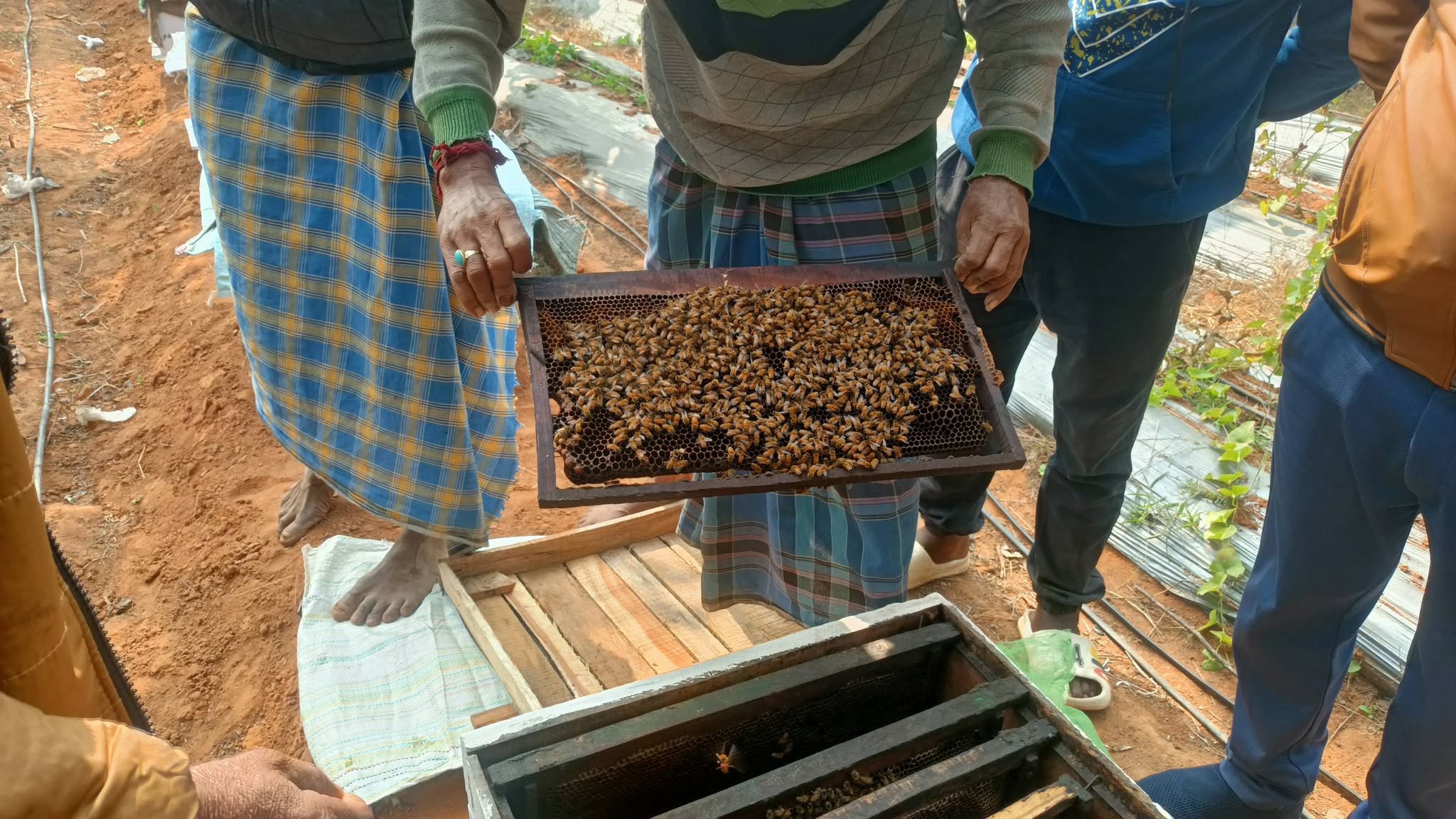
Beekeeping – Manora
Supported through the District Mineral Foundation in collaboration with IIT Bombay: 50 beekeepers across nine villages, with 100 honeybee colonies distributed in September 2023.
06Health & Nutrition
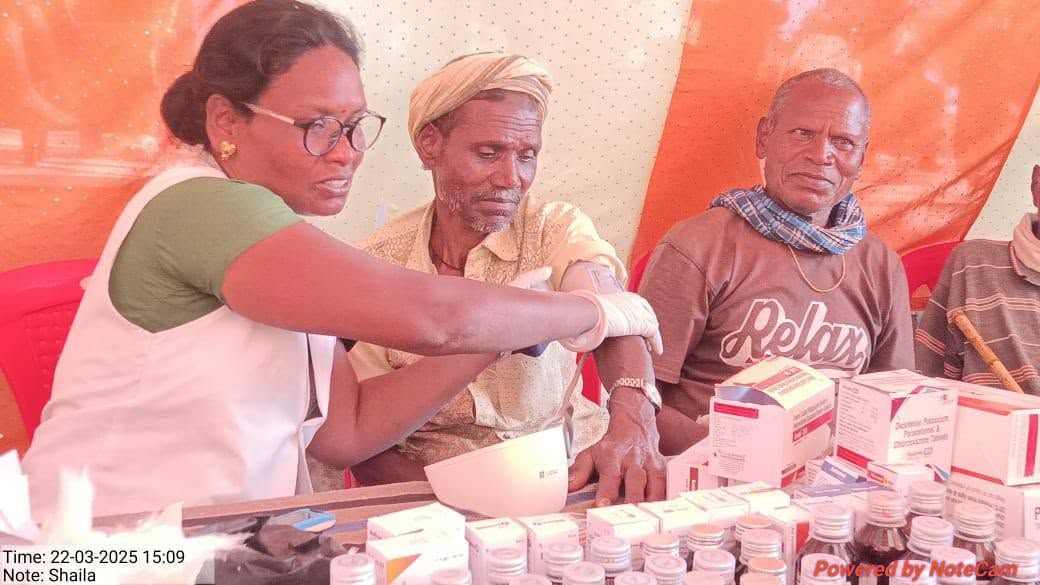
Kuposhan Se Bachav – Health and Nutrition
Community health and nutrition activities in tribal villages of Manora block with NABFOUNDATION support — awareness sessions, health camps and kitchen garden support. Baseline: 640 families across 10 villages and 300 selected beneficiaries.
Reach & Outcomes
Where the Work Happens. What Has Changed.
Communities & Locations.
The villages, blocks and districts the initiatives reach.
- 3 districts
- Jashpur, Balrampur and Surajpur in Northern Chhattisgarh.
- 13 blocks
- Project work spread across thirteen blocks of the three districts.
- 505 villages
- Villages where READS works alongside farming and tribal communities.
- 1,000+ Self-Help Groups
- As instructed by READS for the updated website.
Project Figures.
Project-specific figures, each with its project and period.
- 2,000+ farmersTrained through the Chhattisgarh State Government's CSSDA.
- 155 women, 14 SHGsTrained in scented rice processing under NABARD's LEDP, Bagicha block (completed March 2018).
- 50 beekeepersAcross nine villages of Manora block; 100 honeybee colonies distributed in September 2023.
- 640 family baselinesAcross 10 villages under Kuposhan Se Bachav, with 300 selected beneficiaries.